Sign up / Login
  • Sign-in
  • Sign up

Dual Diagnosis

Manage

Add to lists

Only you can see these lists - view your lists on the My Learning page.


Unsave

This will also remove this resource from any lists you have added it to.

Yes, I would like to unsave
detail-img-lg
Type:
  Course
Duration:
1 hour
Presented by:
UCLA Child & Youth Behavioral Health Center of Excellence
Featuring:
Claudia Avalos-Garcia, LMFT
Relevant categories:
Community Mental Health Severe Mental Illness Substance Use
  Access requires that you create an account or login.

Overview


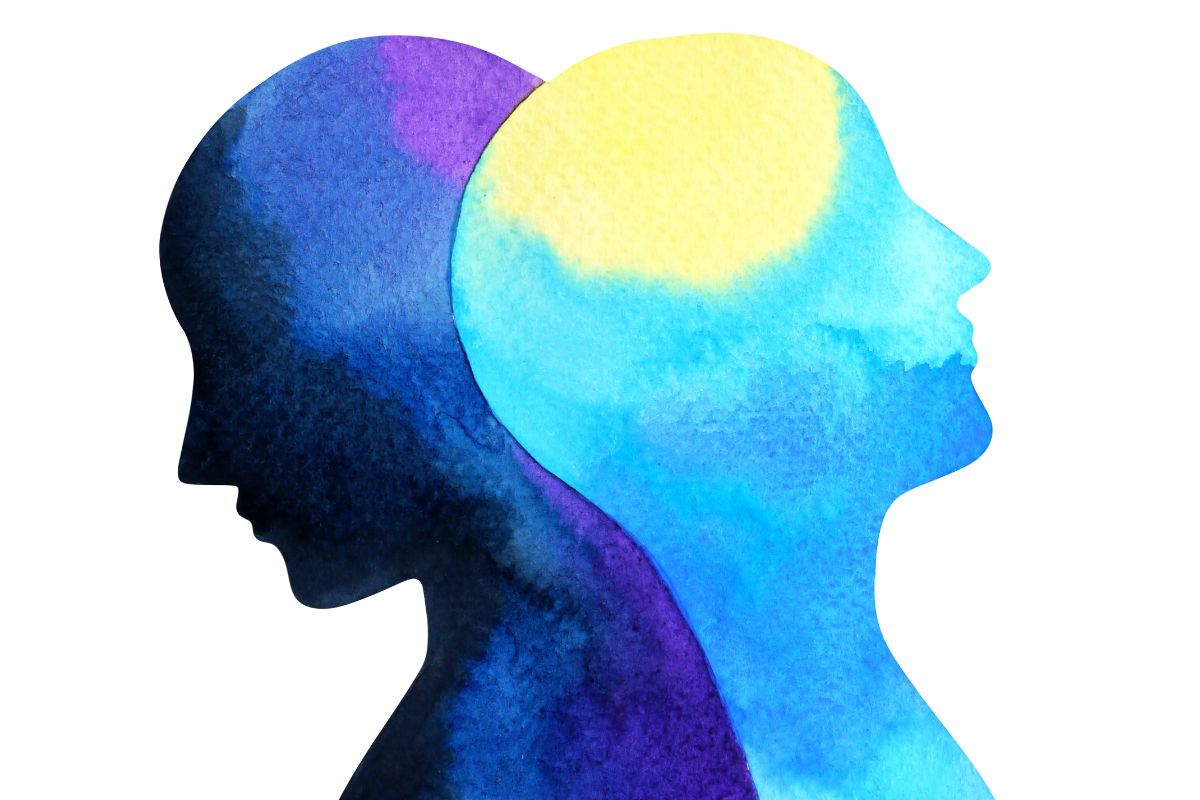
This online course on dual diagnosis is designed specifically for community mental health workers who play a vital role in promoting mental health awareness and supporting individuals with comorbid conditions. Dual diagnosis refers to the co-occurrence of a mental health disorder and a substance use disorder, which presents unique challenges for individuals, families, and providers. In this course, participants will gain a basic understanding of dual diagnosis, including its definition, the associated stigma, risk factors, early warning signs, integrated treatment approaches, available treatments, and initial interventions. Join us in this course to broaden your knowledge, develop essential skills, and make a positive impact in addressing dual diagnosis while promoting mental health and wellbeing.

  Keywords: community care, mental health, stigma, substance use, whole person care
  Public link for sharing: https://learn.wellbeing4la.org/detail?id=401126&k=1784069372  
Copied!

Learning objectives


  • Define dual diagnosis
  • Describe the stigma associated with comorbidities
  • Recognize risk factors and early warning signs
  • Explain the importance of integrated treatment
  • Identify 3 types of treatments available
  • Identify initial interventions

Related items


Dual Diagnosis

This online course on dual diagnosis is designed specifically for community mental health workers who play a vital role in promoting mental health awareness and supporting individuals with comorbid conditions. Dual diagnosis refers to the co-occurrence of a mental health disorder and a substance use disorder, which presents unique challenges for individuals, families, and providers. In this course, participants will gain a basic understanding of dual diagnosis, including its definition, the associated stigma, risk factors, early warning signs, integrated treatment approaches, available treatments, and initial ...

 Course
  1 hour
Co-Occurring Disorders (COD 101)

This training will provide background information on the consequences of substances commonly used by consumers and will introduce participants to the epidemiology and prevalence, and neurobiology of co-occurring disorders. Participants will also learn about screening, assessment, and diagnosis of co-occurring disorders, and how to develop behavioral intervention strategies for those with co-occurring substance use and mental health disorders and chronic medical conditions that frequently co-occur with SU and MH issues. The training will also cover treatment considerations, planning, and an overview of EBP interventions, including ...

 Training
  2 hours
  Recorded session available
The Impact of Trauma on the Brain and Pathways to Healing

Stress and trauma can take a significant toll on the minds and bodies of individuals and families. This course will provide an inside look at the potential impact that stress and trauma on the brain and how that affects everyday living. This course also highlights ways in which intentional healing can begin. A trauma and resilience informed lens is also described, supporting learners in ways to "focus on the wins."

 Course
  1 hour
  CE credit available
Substance Use Disorders 101 (SUD 101)

This training will provide information on the acute and chronic effects and consequences of psychoactive substances commonly used by clients, patients, and consumers. The training will introduce participants to the epidemiology, neurobiology, and behavioral indicators of substance misuse. This training will conceptualize Substance Use Disorder (SUD) diagnostic and assessment considerations in identifying functional impairments. The training will detail intoxication and withdrawal symptoms for a range of commonly-misused substances and provide information on medical consequences of use. Recorded on February 5, 2021. Please note that CEs are ...

 Training
  2 hours, 5 minutes
  Recorded session available
Cognitive Behavioral Therapy (CBT) for Substance Use Disorders (SUD): Applications for Integrated Treatment

Cognitive Behavioral Therapy (CBT) has become a mainstay of evidence-based substance use disorder (SUD) treatment in addition to broad applications in mental health treatment. This training will provide participants with a detailed overview of how to use CBT with their clients who have co-occurring substance use and mental health disorders. In addition to reviewing the fundamentals of CBT for SUD, providers currently using CBT for mental health disorders will learn how to apply these skills with clients who are also using substances. Participants will learn ...

 Training
  1 hour, 35 minutes
  Recorded session available
Added on 6/14/2023   ·   Last updated on 6/14/2023
Public Partnership for Wellbeing  
Copyright © 2019-2026
University of California at Los Angeles
About   |   Terms   |   Privacy   |   Contact
Way to go!
View your badges
Saved! (Manage)
Unsaved
Changes saved! (Manage)
Are you sure you want to unsave this resource?
Are you sure you want to stop taking this course?
Important Copyright/Permission Notice

By viewing this training/course, you agree to the following terms of your Wellbeing for LA Learning Center account:

All materials presented in this training and on the Wellbeing for LA Learning Center are copyrighted by the University of California, Los Angeles. The following actions are prohibited:

  • Recording the session in any form, including screen recording, audio recording, or screenshots.
  • Sharing or posting any session content without express written permission of the DMH + UCLA Public Partnership for Wellbeing.